🔥 Introduction: More Than Just a Tape
The word mixtape today might bring to mind free downloads, digital streams or the latest promo from a rising rapper. But the roots of the mixtape go deep — into street-parties, DJ sets, cassette trunks, and the early tapes that spread the sound of hip-hop. According to the record,
“In the 1970s, DJs such as … would often distribute recordings of their club performances through cassette tapes, bringing a wider audience to the hip-hop sound.” Wikipedia+1
Understanding the mixtape’s journey—from cassettes to streaming—gives us key insights into how culture, technology and creativity interplay.
📼 Section 1: The Birth of the Mixtape (1970s–1980s)
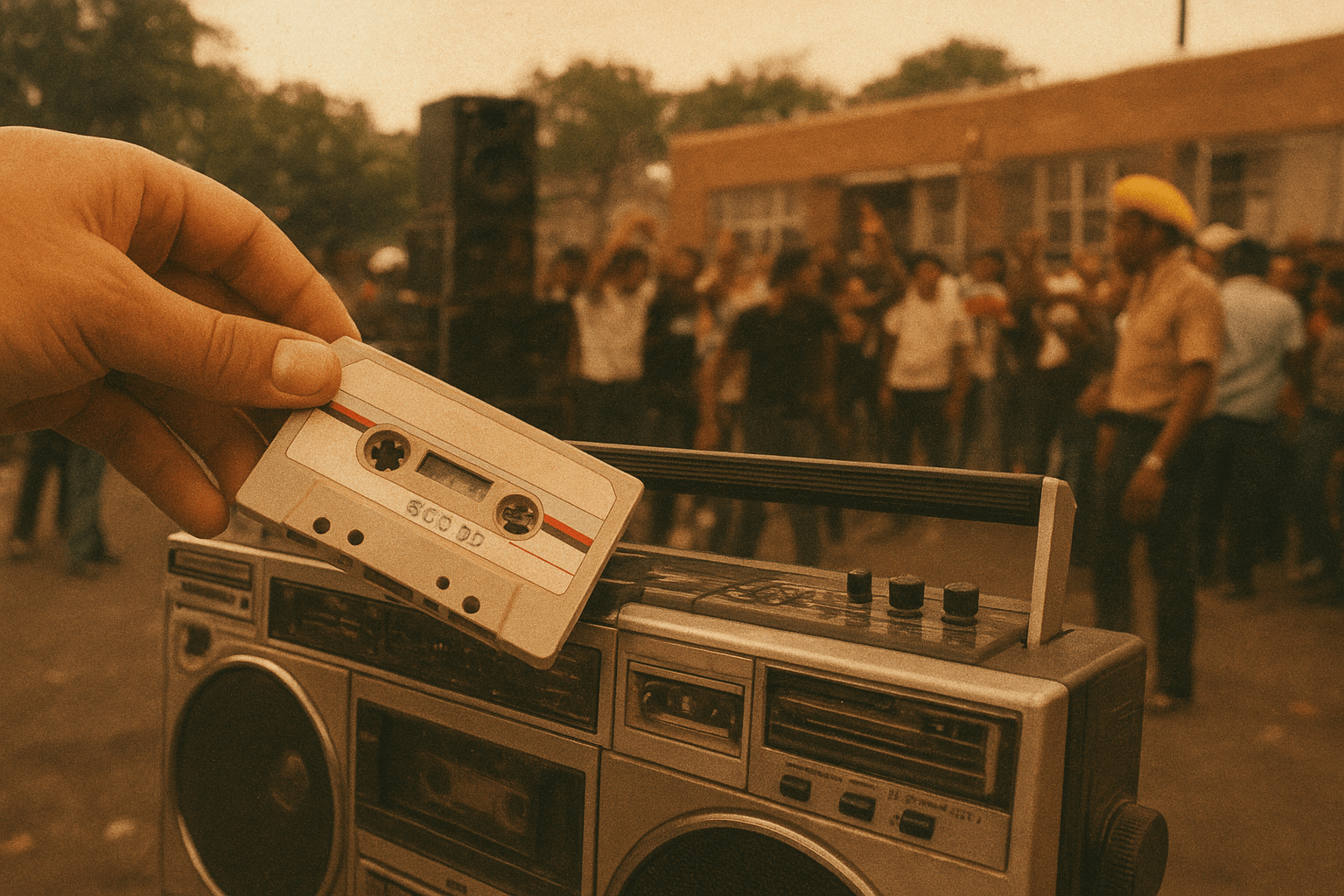
In the early days of hip-hop, DJs and MCs threw block parties, spun records, and captured the energy on tape. These tapes circulated through local neighborhoods, often hand-dubbed and street-sold. As one source puts it:
“The mixtape goes all the way back to the 1970s … cassettes became the first truly portable music format … originally, mixtapes were live recordings of performances by DJs and MCs.” WIRED
Key features of this era:
Use of cassette tapes and Walkman-style portability. Wikipedia
Live DJ sets recorded from clubs or parties, shared locally. strettoblaster.com
A culture of sharing, remixing, and community distribution rather than commercial push.
It was grassroots innovation — music made, played, taped, and passed along.
📀 Section 2: The Mixtape Evolves (1990s–2000s)
As hip-hop grew, so did the mixtape’s role. It became a tool for artists to drop freestyles, remixes, exclusive tracks, or even for DJs as a lead platform. From the cassette box to the CD and then online:
DJs like DJ Drama became central figures in what some call the “mixtape game.” Billboard
The format shifted into becoming a marketing vehicle for unsigned artists and a way to build street credibility. Wikipedia+1
Physical media still mattered, but digital distribution began to loom.
In this era, the mixtape straddled underground hustle and mainstream reach.
🌐 Section 3: The Mixtape in the Digital Age (2010s–Today)
Today, the mixtape continues to evolve. No longer just cassette or CD—now streaming, free downloads, and surprise drops define the form. From the wiki summary:
“Today, mixtapes are generally considered an alternative to studio albums … artists may release them free online … while well-known industry artists … promote them as ‘commercial mixtapes’.” Wikipedia
Important developments:
Platforms such as SoundCloud, DatPiff, etc., made distribution global.
The line between “mixtape” and “album” blurred.
The format gave artists and creators flexibility—fewer constraints, more experimentation.
For creators and broadcasters today, the mixtape model offers a blueprint: deliver value, bypass gatekeepers, build an audience.
💡 Section 4: What Creators Can Learn
For HoodzRadio and anyone creating content (radio, streaming, social), the mixtape’s journey offers key lessons:
Start raw. Build real. The earliest mixtapes were hand-dubbed, raw, real. Your craft starts with authenticity.
Texture over polish. Mixtapes thrived on vibe, not perfection. On your platform: focus on connection more than perfection.
Distribution matters. From cassette tapes passed hand to hand to digital links shared globally—how you distribute matters.
Create community, not just content. Mixtapes were shared, discussed, passed on. Your goal: build movement, not just upload.
Reinvent formats. Mixtape evolved with tech; you should too. Whether it’s automation, streaming, bots—adapt.
“Mixtapes weren’t just tracks—they were movements condensed on tape.” — HoodzRadio
✊ HoodzRadio Takeaway
The mixtape is more than a format. It’s a strategy of culture, a method of bypass, a template for creative autonomy. At HoodzRadio, respecting the legacy means understanding the mixtape’s roots. And amplifying the movement means using that legacy to fuel your next step—whether a radio show, a social sequence, a new broadcast format.
Keep this in mind:
Innovation happens when you take something accessible and turn it into something cultural.
📢 Call to Action
🎙 What’s your modern “mixtape” move? Comment below: How are you remixing the format in your own content?
📲 Share this article and tag us: @HoodzRadio — let’s build the movement.